

Publications
Explore EERA's full library of publications on WEEE management and the European electronics recycling industry — from position papers and press releases to independent studies and event materials. Use the search bar and filters below to find statements on regulation, research on recycling and recovery, and the latest news shaping a circular economy for electronics across Europe.
Search by title or keyword:
Publication Topic
- Batteries
- Circular Economy
- Critical Raw Materials
- Fire Prevention
- Intra-EU Waste Shipments
- Plastic Waste
- Plastics
- Pre-Consented Facilities
- Producer Responsibility
- Secondary Raw Materials
- Standards
- WEEE Collection and Treatment
- Waste Shipment Digitalisation
- Waste Shipments
- Waste Shipments; Prior Informed Consent (PIC); Pre-Consented Facilities; Transboundary Waste Shipments; Waste Shipment Digitalisation;
Browse by:

Assessment of WEEE Management in Greece
Greece has established a formal system for collecting and treating waste electrical and electronic equipment, but significant volumes of WEEE continue to fall outside documented recycling channels. This 2023 assessment, prepared by Eunomia Research & Consulting for EERA and the EERA Greek Committee, examined the performance of the Greek WEEE system across collection, treatment, reporting and costs.
The study identified a series of interconnected challenges, including collection rates below EU targets, producer free-riding, scavenging of valuable components before WEEE reaches authorised treatment facilities, complex reporting requirements and gaps in enforcement and monitoring. It also highlighted a significant difference between estimated operational recycling costs and the treatment costs considered within the existing producer responsibility system.
The report concludes that improving WEEE management requires action across the entire value chain. Recommendations include strengthening small WEEE collection, tackling illegal and undocumented treatment, keeping equipment intact until proper treatment, simplifying classification and reporting, improving the management of photovoltaic panels and strengthening enforcement. Together, these measures could help retain more WEEE within compliant recycling channels, improve the recovery of valuable and critical raw materials, and create better conditions for high-quality recycling in Greece.
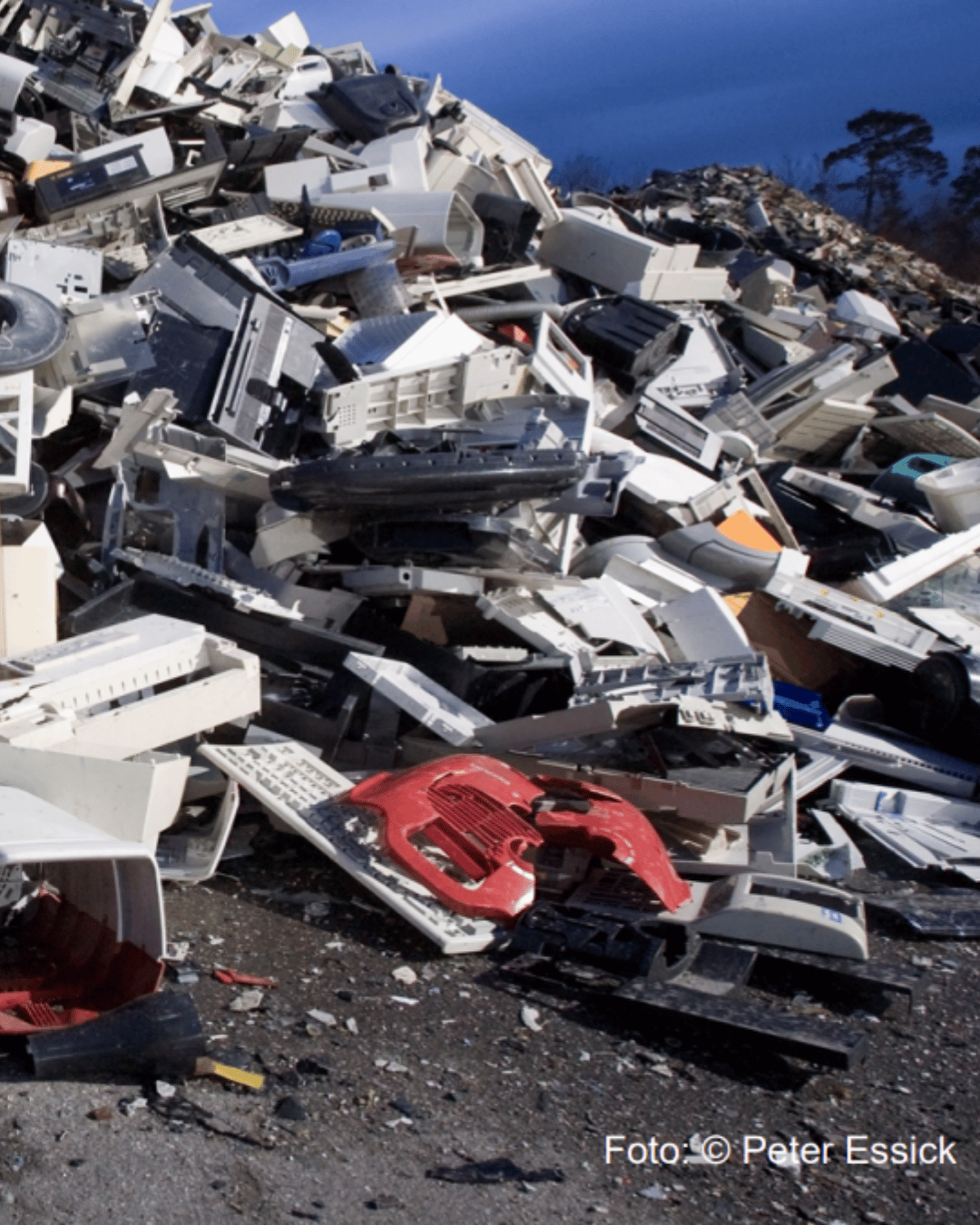
Fact sheet Low POP Content Threshold
EERA's fact sheet explains the implications of Low POP Content and Unintentional Trace Contaminant thresholds for BFR-containing WEEE plastics, including material flows, sorting, recycling capacity and innovation.

Recommendatios For Tackling Fires Caused By Lithium Batteries In WEEE
EERA’s report brings together practical experience from WEEE recyclers on preventing and managing fire risks associated with batteries in electronic waste. It covers collection and transport, safe handling and storage at recycling facilities, fire prevention and emergency response, and the additional costs created by battery-related risks.
CEWASTE Final Report: Voluntary Certification Scheme for Waste Treatment: A Contribution to Future Critical Raw Materials Recycling
The CEWASTE project examined how better collection, treatment, traceability and certification could increase the recovery of critical raw materials from WEEE, waste batteries and other end-of-life products.
Sharing Experiences And Best Practices With Batteries In WEEE
EERA’s report brings together practical experience from WEEE recyclers on preventing and managing fire risks associated with batteries in electronic waste. It covers collection and transport, safe handling and storage at recycling facilities, fire prevention and emergency response, and the additional costs created by battery-related risks.

Study on the Impacts of Brominated Flame Retardants on the Recycling of WEEE plastics in Europe
This study examines how brominated flame retardants affect the recycling of WEEE plastics in Europe, including material flows, BFR separation, recycling yields and recyclate quality. It also assesses the 2,000 ppm bromine threshold and identifies recommendations for policymakers, recyclers and producers.
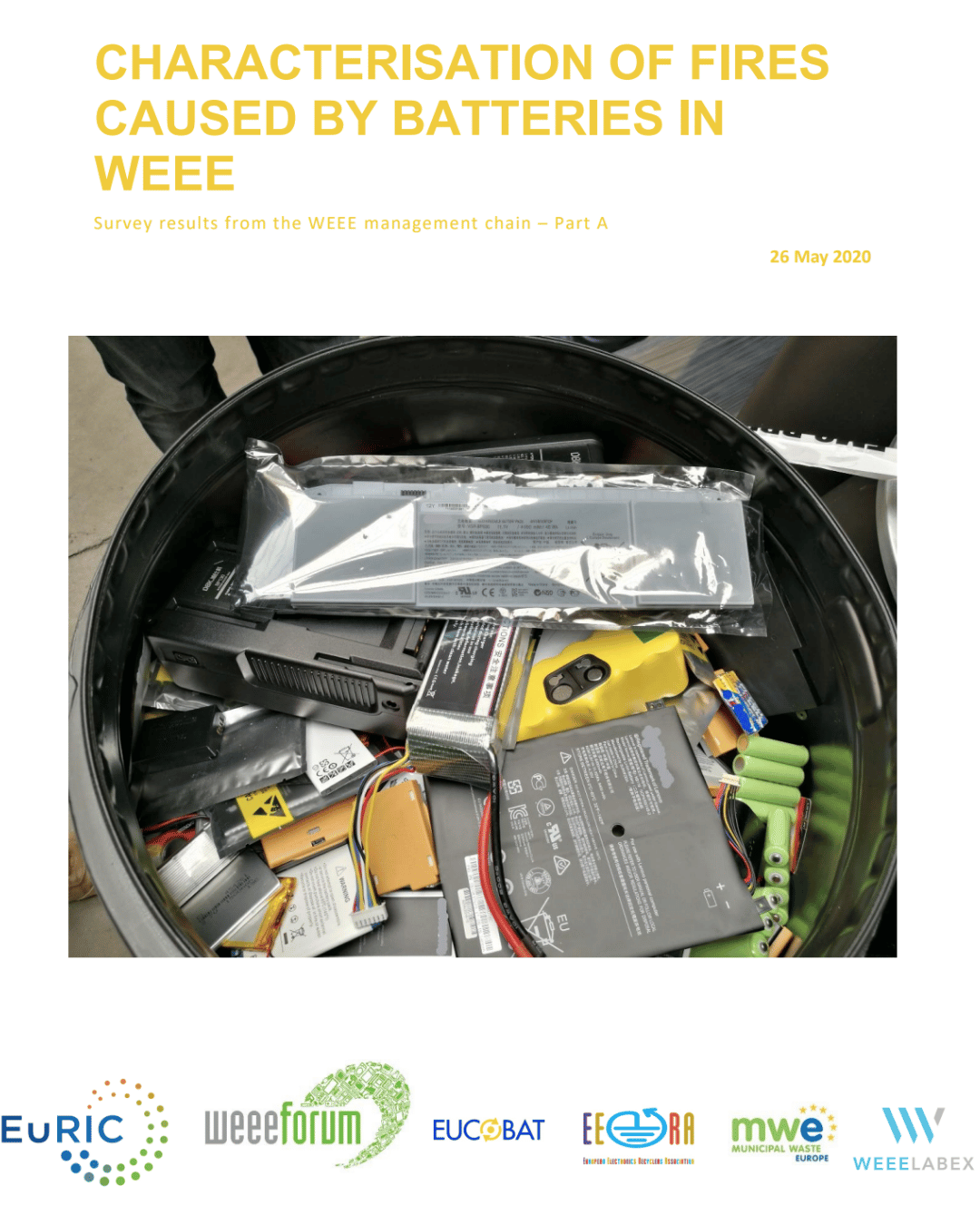
Characterisation of Fires Caused by Batteries in WEEE: Survey Results from the WEEE Management Chain – Part A
A European study of battery-related fires across the WEEE management chain, examining where incidents occurred, their causes and severity, and the operational and financial consequences for WEEE operators.
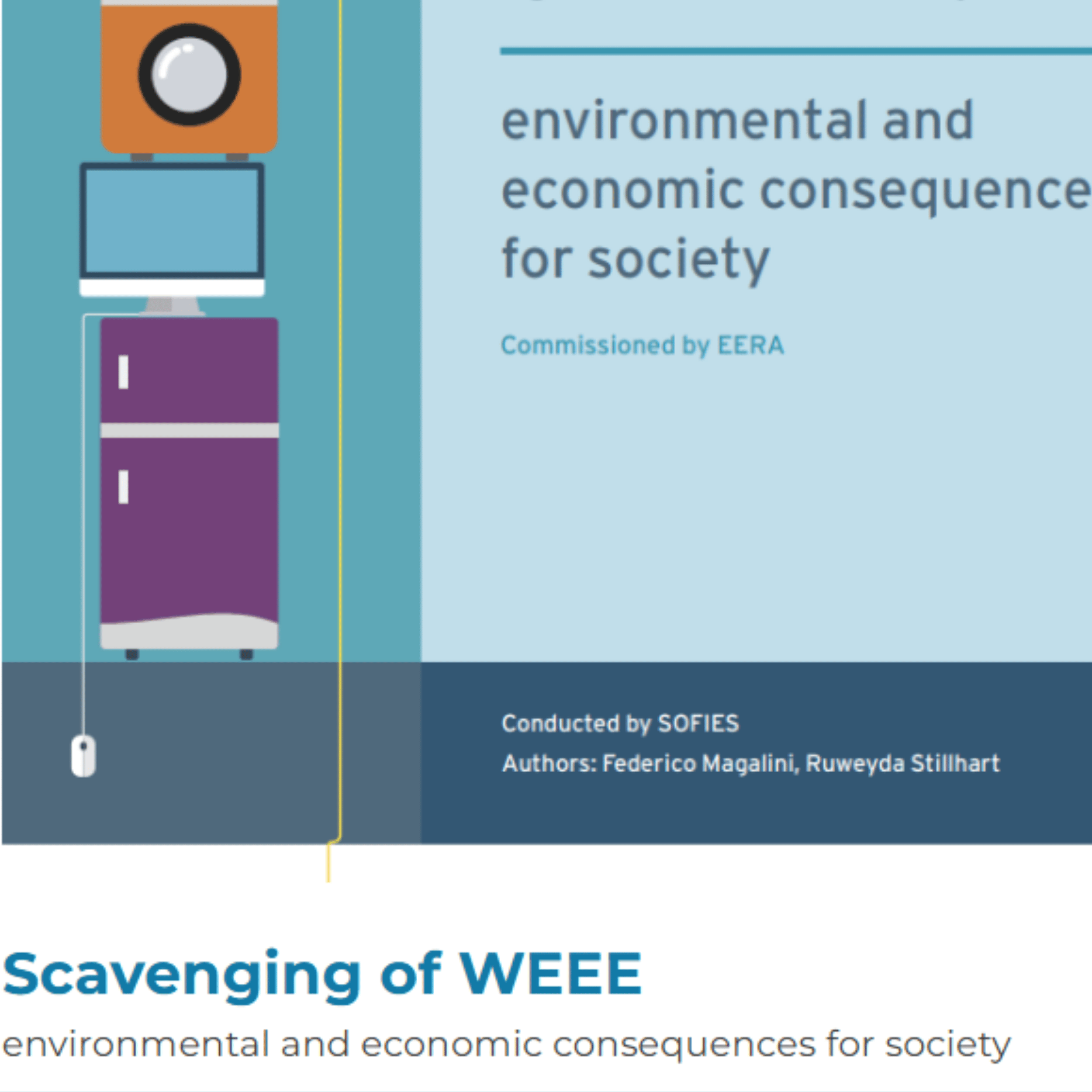
Scavenging of WEEE: Environmental and Economic Consenquences for Society
EERA study examining the environmental and economic consequences of WEEE scavenging in Europe, including the removal of whole products and valuable components before they reach professional recycling facilities

Safe Collection and Transport of Electronic Equipment with Lithium Batteries
EERA’s Technical Guidance provides practical guidance on the safe collection and transport of WEEE containing lithium cells and batteries under ADR. It explains when ADR restrictions apply, the conditions for exemptions, and the relevant packaging, labelling, transport and quality assurance requirements.
Join EERA in transforming WEEE management and supporting Europe’s sustainable future.