

Publications
Explore EERA's full library of publications on WEEE management and the European electronics recycling industry — from position papers and press releases to independent studies and event materials. Use the search bar and filters below to find statements on regulation, research on recycling and recovery, and the latest news shaping a circular economy for electronics across Europe.
Search by title or keyword:
Publication Topic
- Batteries
- Circular Economy
- Critical Raw Materials
- EU Trade Defence
- Fire Prevention
- Industrial Competitiveness
- Intra-EU Waste Shipments
- Level Playing Field
- Plastic Waste
- Plastics
- Pre-Consented Facilities
- Producer Responsibility
- Secondary Raw Materials
- Standards
- WEEE Collection and Treatment
- Waste Shipment Digitalisation
- Waste Shipments
- Waste Shipments; Prior Informed Consent (PIC); Pre-Consented Facilities; Transboundary Waste Shipments; Waste Shipment Digitalisation;
Browse by:

Stronger EU Trade Defence
EERA joins 43 other European industry organisations calling for more effective EU trade defence measures. The joint statement sets out three priorities to address unfair competition, state-driven market distortions and pressures on Europe's industrial value chains.
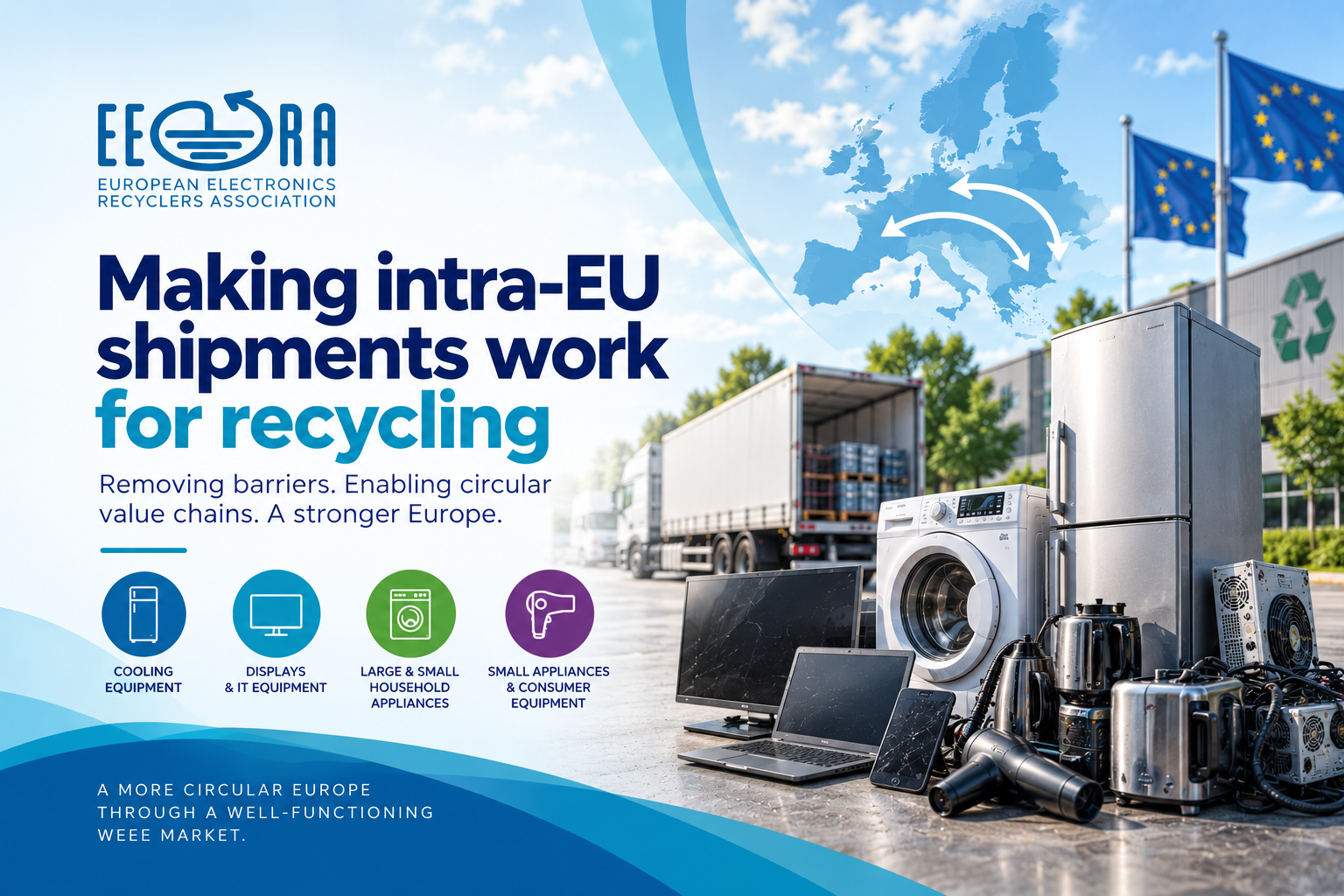
Green-Listing WEEE Shipments
EERA supports green-listing suitable non-hazardous WEEE and related recyclates to enable efficient recycling across Europe. Clear and harmonised rules are essential to ensure consistent implementation, avoid divergent interpretations between Member States and allow materials to reach specialised recycling facilities without unnecessary barriers.

Green-Listing Waste Shipments Initiative
European recycling value chains depend on materials moving efficiently between specialised facilities across Member States. In this joint statement, EERA and seven European industry associations support the Commission's Green-Listing Initiative and call for greater legal clarity to ensure that suitable non-hazardous waste can move efficiently for recycling while supporting Europe's secondary raw materials market.
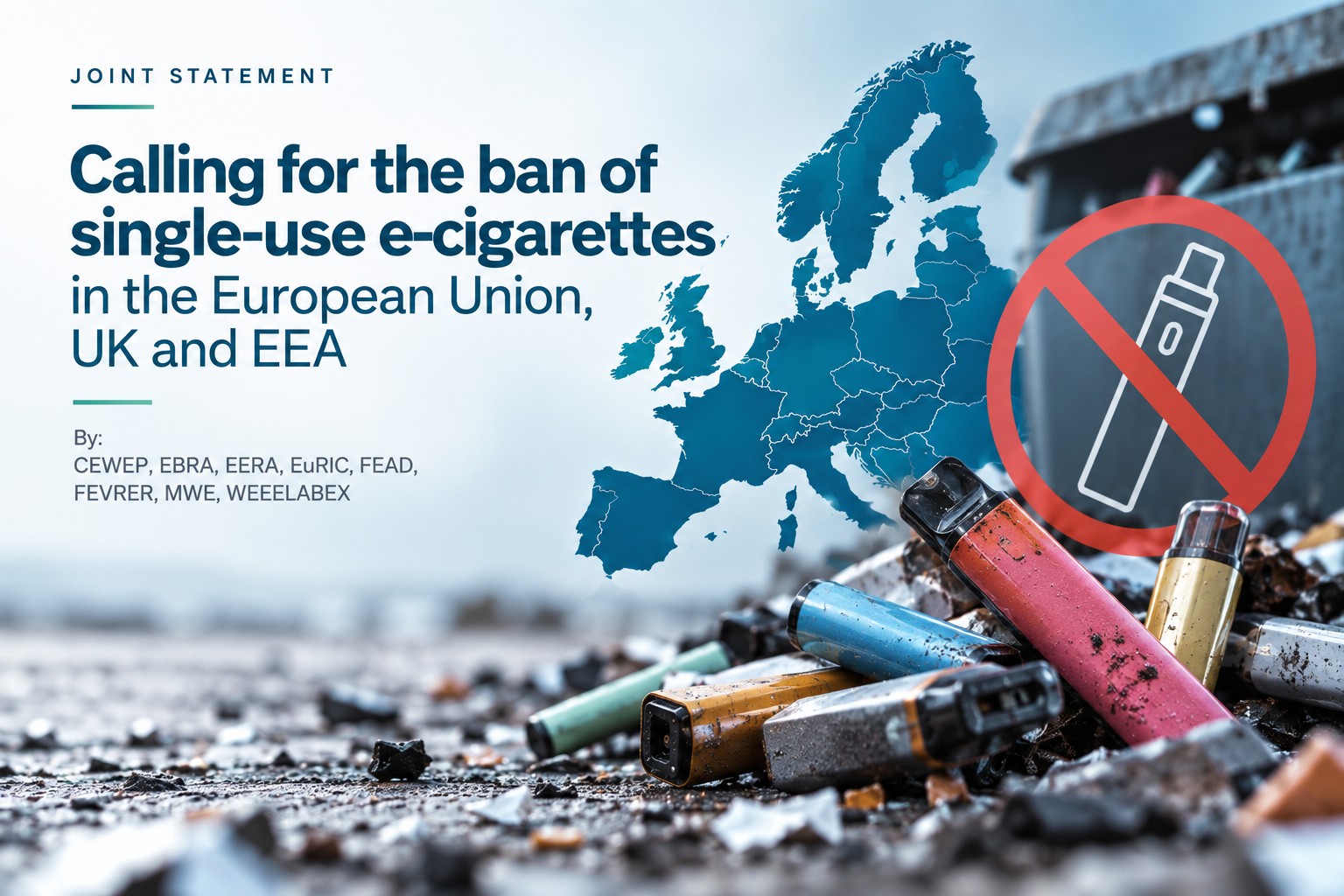
Call for the Ban of Single-Use E-cigarettes
A call to ban single-use e-cigarettes across the European Union, UK and EEA was made by eight European industry organisations. The joint statement highlights the growing waste and recycling challenges created by disposable e-cigarettes, including embedded lithium batteries, fire risks, loss of valuable materials and difficulties in ensuring proper collection and recycling

PBDEs and the POP Regulation
Europe’s ambition to remove persistent organic pollutants from material cycles requires rules that are measurable and compatible with circular economy objectives. In this 2024 position paper, EERA warned that lower UTC limits for PBDEs could restrict WEEE plastics recycling before reliable testing methods are available. EERA recommended a 500 mg/kg limit, with any reduction to 200 mg/kg taking effect no earlier than 1 January 2030.
Assessment of WEEE Management in Greece
This 2023 assessment, prepared by Eunomia Research & Consulting for EERA and the EERA Greek Committee, examined WEEE collection, treatment, reporting and costs in Greece. It identified challenges including collection rates below EU targets, producer free-riding, scavenging, complex reporting and enforcement gaps, and proposed measures to strengthen compliant collection and high-quality recycling.
EBRA Appoints Secretary General
In March 2023, the European Battery Recycling Association (EBRA) announced that Julie-Ann Adams would succeed Alain Vassart as Secretary General following his retirement at the end of the year. The appointment brought together Julie-Ann's experience in WEEE and battery legislation, producer responsibility, recycling and technical standards, while strengthening the connection between two closely aligned European recycling sectors.
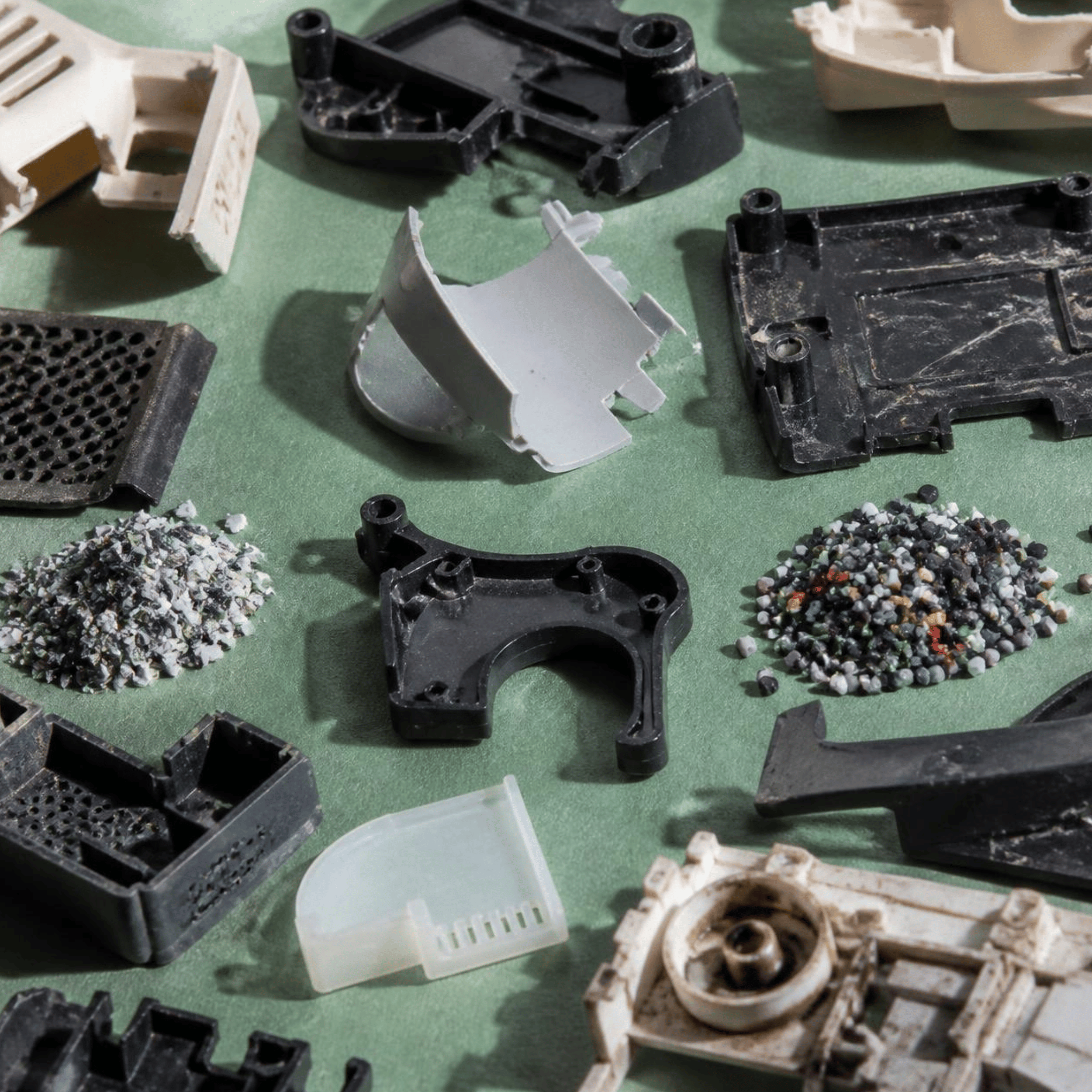
PBDEs Limits for Recycled WEEE Plastics
Reducing persistent organic pollutants is essential, but regulatory limits must be measurable and technically achievable. In its 2022 statement, EERA warned that lower UTC limits for PBDEs could restrict WEEE plastics recycling. We called for a stable 500 mg/kg limit for at least three years, allowing time to develop and validate more robust testing methods.
E-Waste Shipments for Recycling
Cross-border shipments allow e-waste and recovered materials to reach specialist recycling facilities, but lengthy approvals, inconsistent procedures and high costs can create unnecessary barriers. In this 2022 joint response, EERA and FEAD called for a more harmonised, digital and risk-based approach to e-waste shipments, including faster procedures for pre-consented facilities.

Strengthening the EU WEEE Framework
In 2022, EERA responded to the European Commission’s evaluation of the WEEE Directive, calling for greater harmonisation across Europe, stronger collection and treatment requirements, mandatory treatment standards and better recycling targets. We highlighted how inconsistent national implementation created unequal conditions and called for an EU framework that rewards high-quality recycling.

Recycle it all, no matter how small!
Small electrical products may be easy to overlook, but together they represent a significant share of global e-waste. For International E-Waste Day 2022, EERA highlighted the problem of small electrical products being discarded with general waste or left unused in European households, preventing valuable raw materials from being recovered. EERA also invited its Members across Europe to share the recycling message through a photo competition, won by Ecoreset in Greece.

Plastic Waste Shipments for Recycling
Moving plastic waste efficiently across the EU helps recyclers access sufficient feedstock and direct materials to the most appropriate treatment facilities. In this 2022 coalition position, EERA and five European industry associations called for harmonised pre-consent rules, faster notifications, lower financial burdens and digitalised waste shipment procedures

Controlling Ozone-Depleting Substances at End-of-Life
Treating waste containing ozone-depleting substances requires specialist capacity, effective enforcement and clear responsibility for treatment costs. In this 2022 position statement, we set out the conditions needed to expand compliant treatment, prevent ODS emissions and support investment in appropriate recycling infrastructure
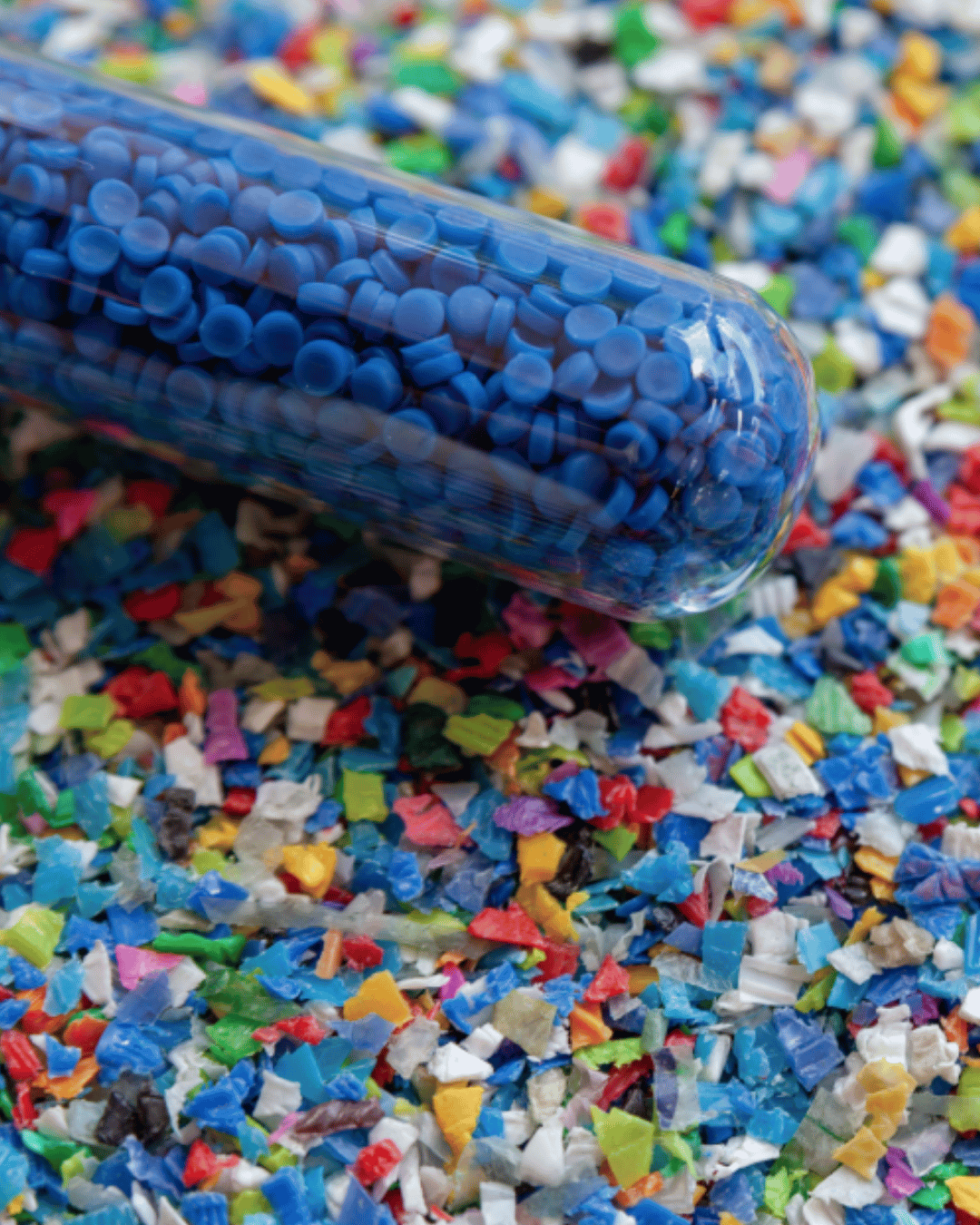
Recycling More WEEE Plastics While Controlling POP BFRs
We want more plastics from WEEE to be recovered and returned to the market as secondary raw materials. This position paper sets out our recommendations on POP BFR thresholds, technical feasibility, investment and the need to bring more WEEE plastics into proper collection and recycling channels.
Proposed Changes to Waste Shipment Regulation
EERA and EBRA's 2022 Joint Position Statement set out recommendations for a more harmonised and proportionate EU waste shipment framework, covering specialist recycling, waste classification, financial guarantees, pre-consented facilities, digitalisation and controls on illegal shipments and exports outside the EU
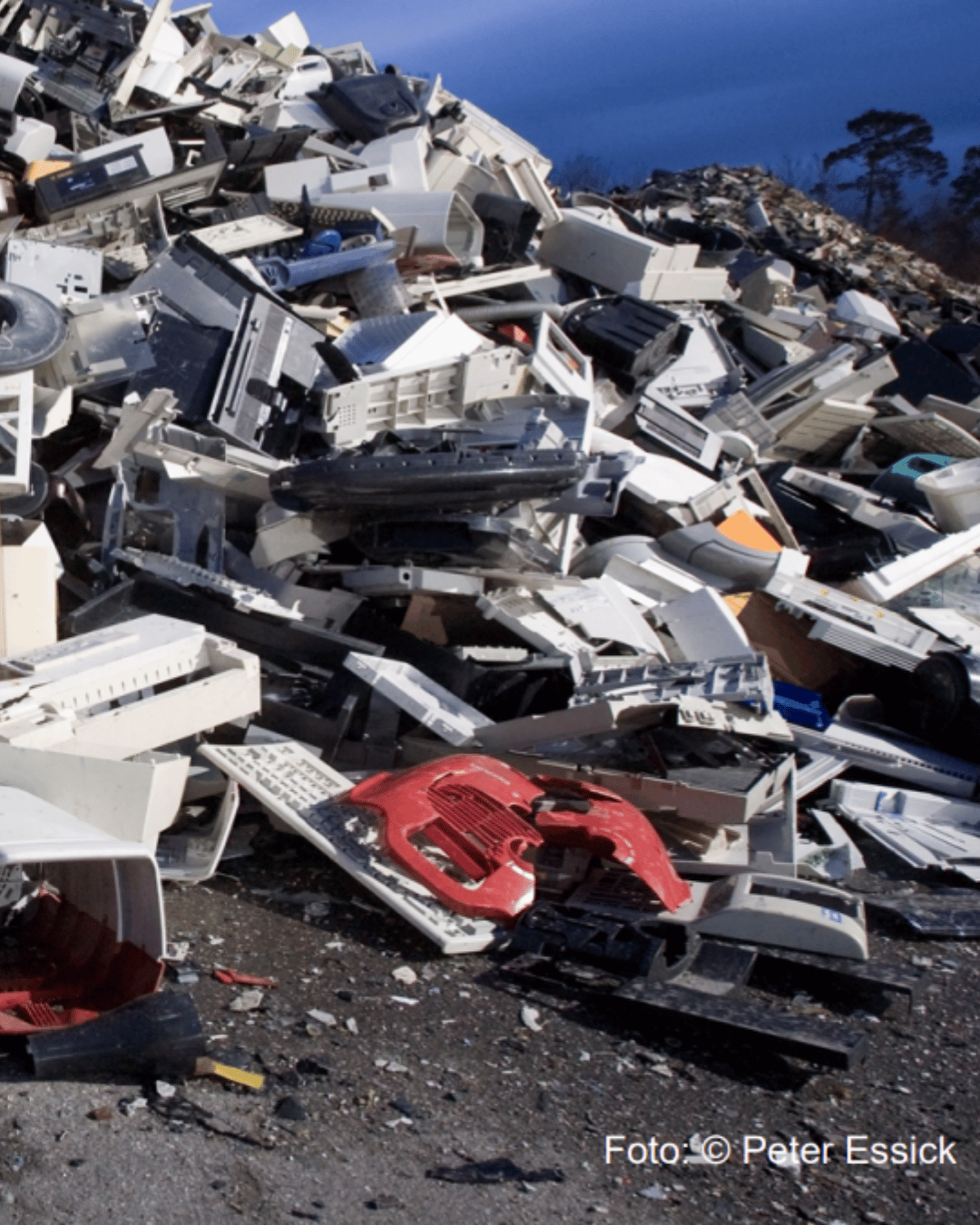
Fact sheet Low POP Content Threshold
EERA's fact sheet explains the implications of Low POP Content and Unintentional Trace Contaminant thresholds for BFR-containing WEEE plastics, including material flows, sorting, recycling capacity and innovation.
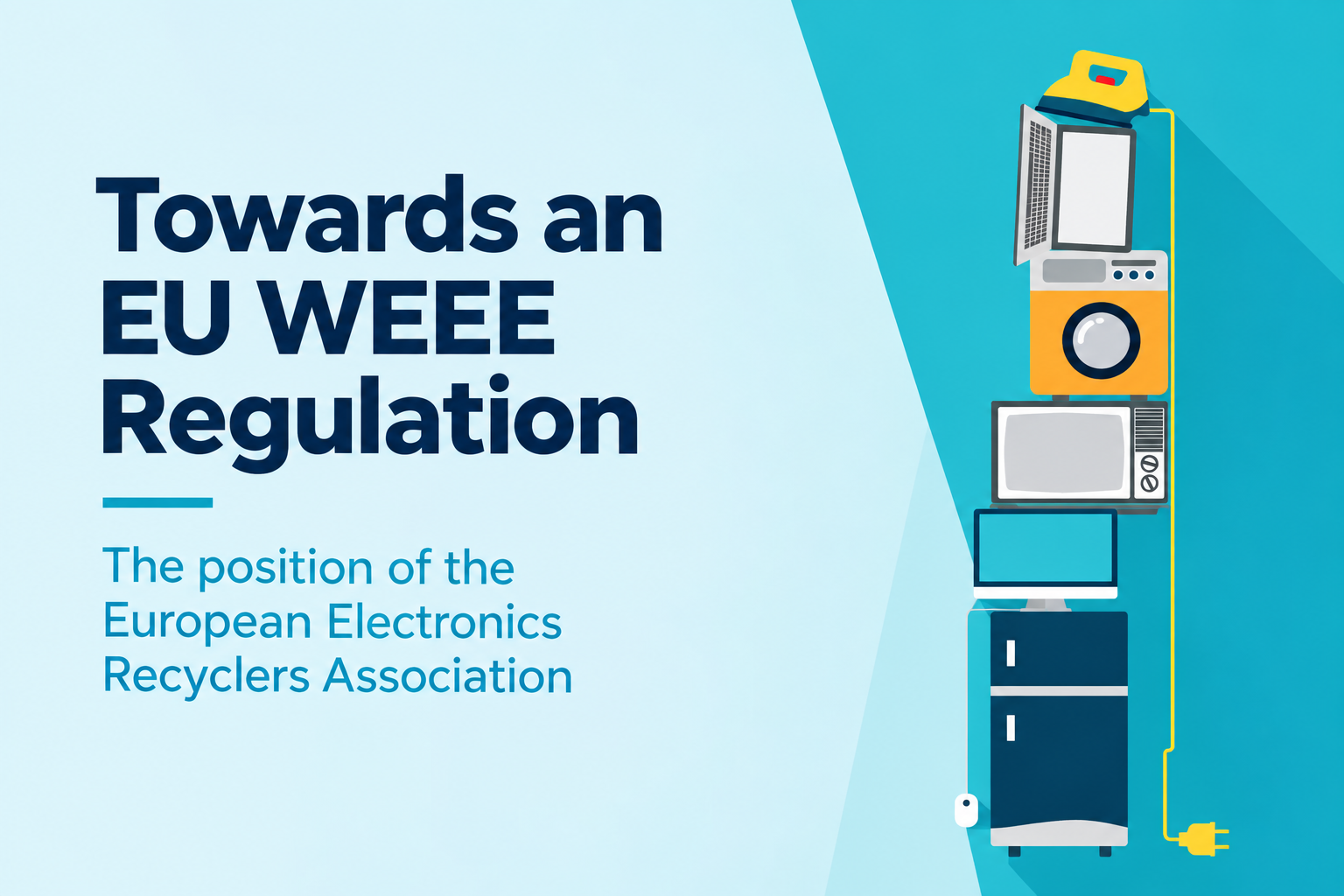
Level Playing Field for WEEE Recycling
Different interpretations of the WEEE Directive created unequal operating conditions for recyclers across Europe. In this 2022 position paper, we called for an EU WEEE Regulation with more harmonised requirements for product design, collection, treatment, waste shipments and recycling targets.
Fast-Tracking Waste Shipment Notifications
The NSRR Fast Track Notifications Working Group's 2022 consultation response set out proposals to simplify intra-EU shipments to pre-consented recovery facilities through harmonised criteria, faster notification procedures, digitalisation, simpler waste classification and proportionate financial guarantees.
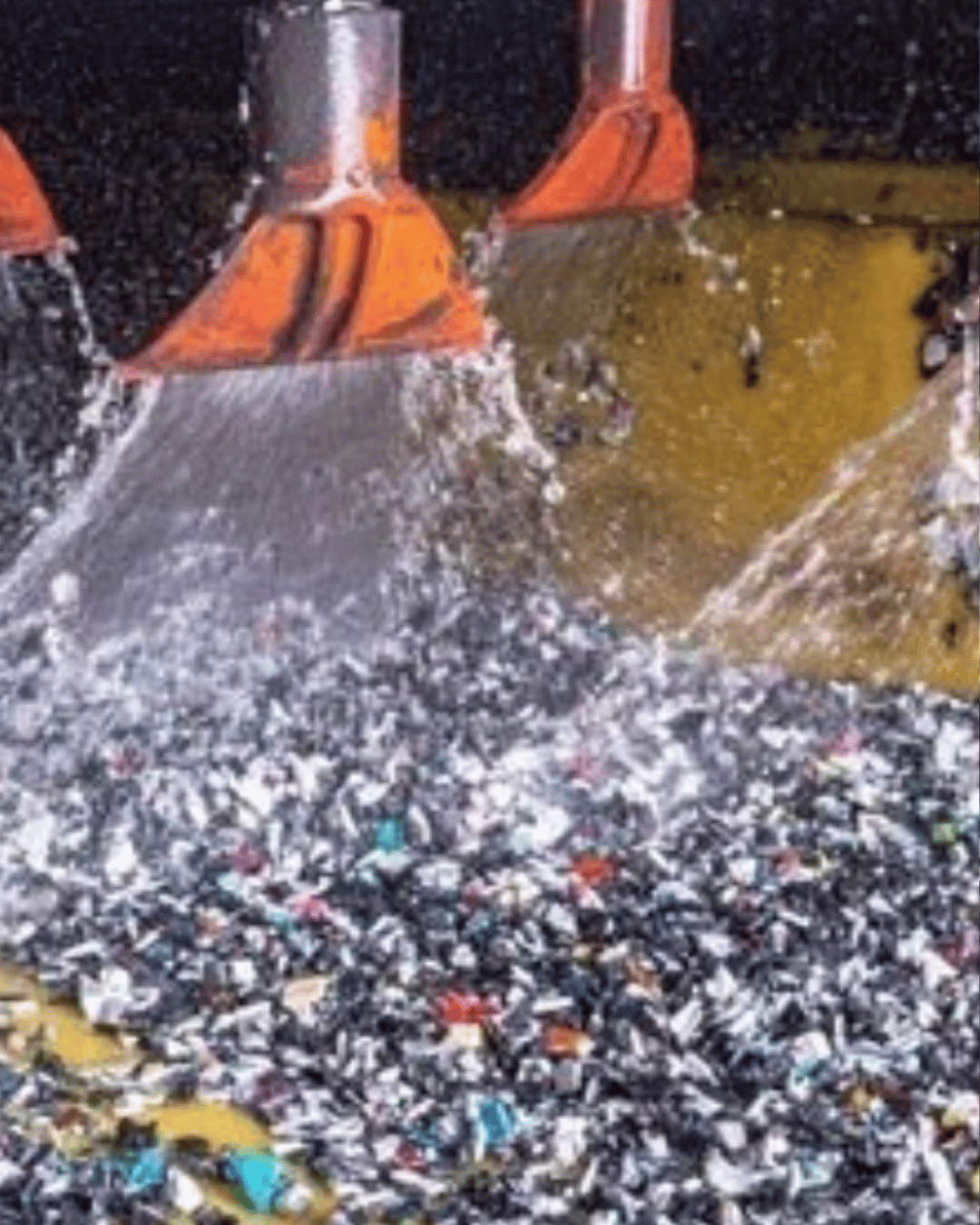
Improving the Loops of Plastics in Electronics
EERA's IERC 2022 conference paper examines how better collection, advanced recycling technologies, producer-recycler collaboration and stable regulation can increase the circularity of plastics from WEEE.
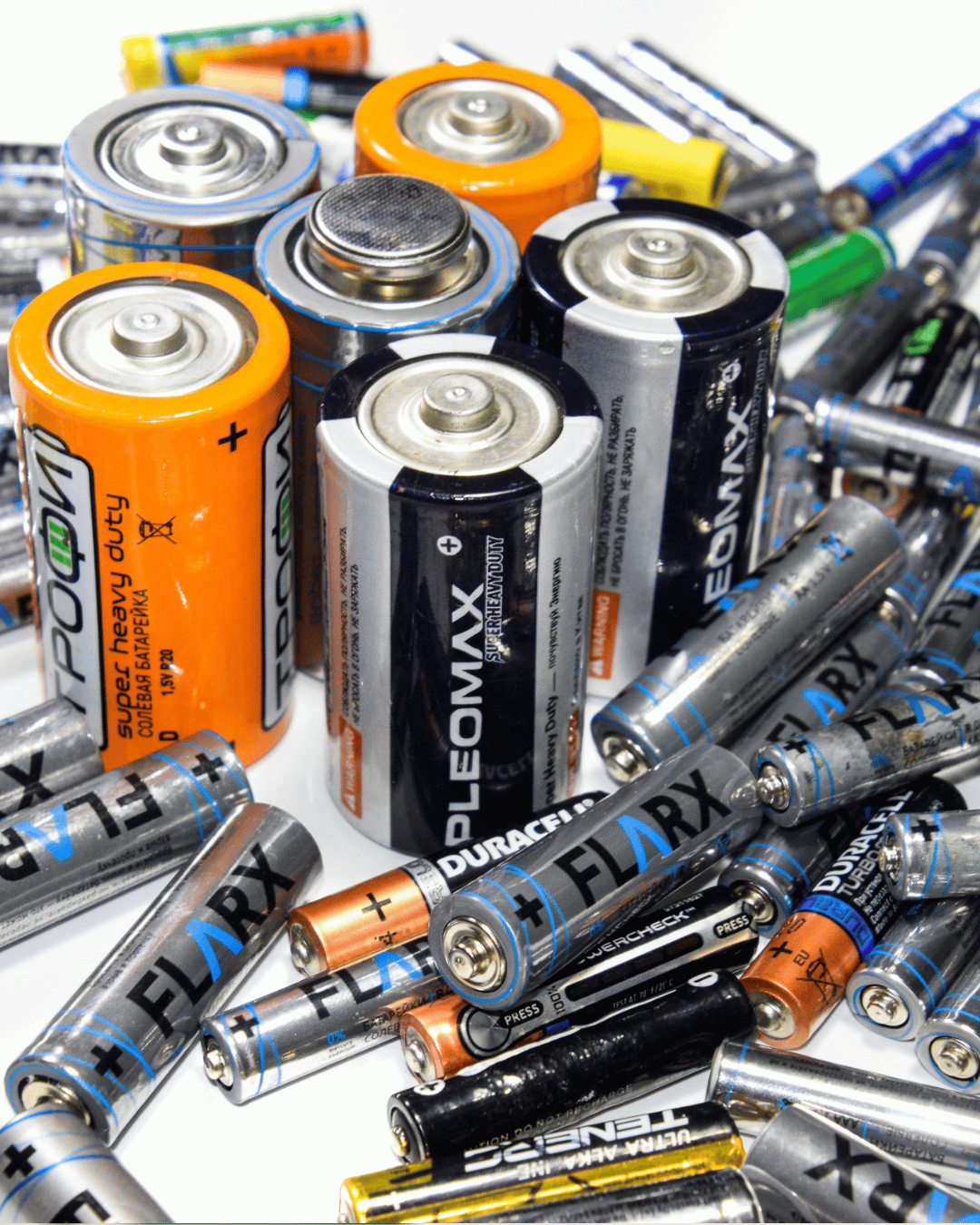
Battery Removability and Replaceability
Joint statement calling for batteries in electrical and electronic products to be removable and replaceable throughout a product's lifetime. The signatories argued that better battery access would support repair and longer product lifetimes, while enabling safer removal at end-of-life and improving the collection, treatment and recycling of waste batteries and WEEE.
Join EERA in transforming WEEE management and supporting Europe’s sustainable future.