Recycling More WEEE Plastics While Controlling POP BFRs
Introduction
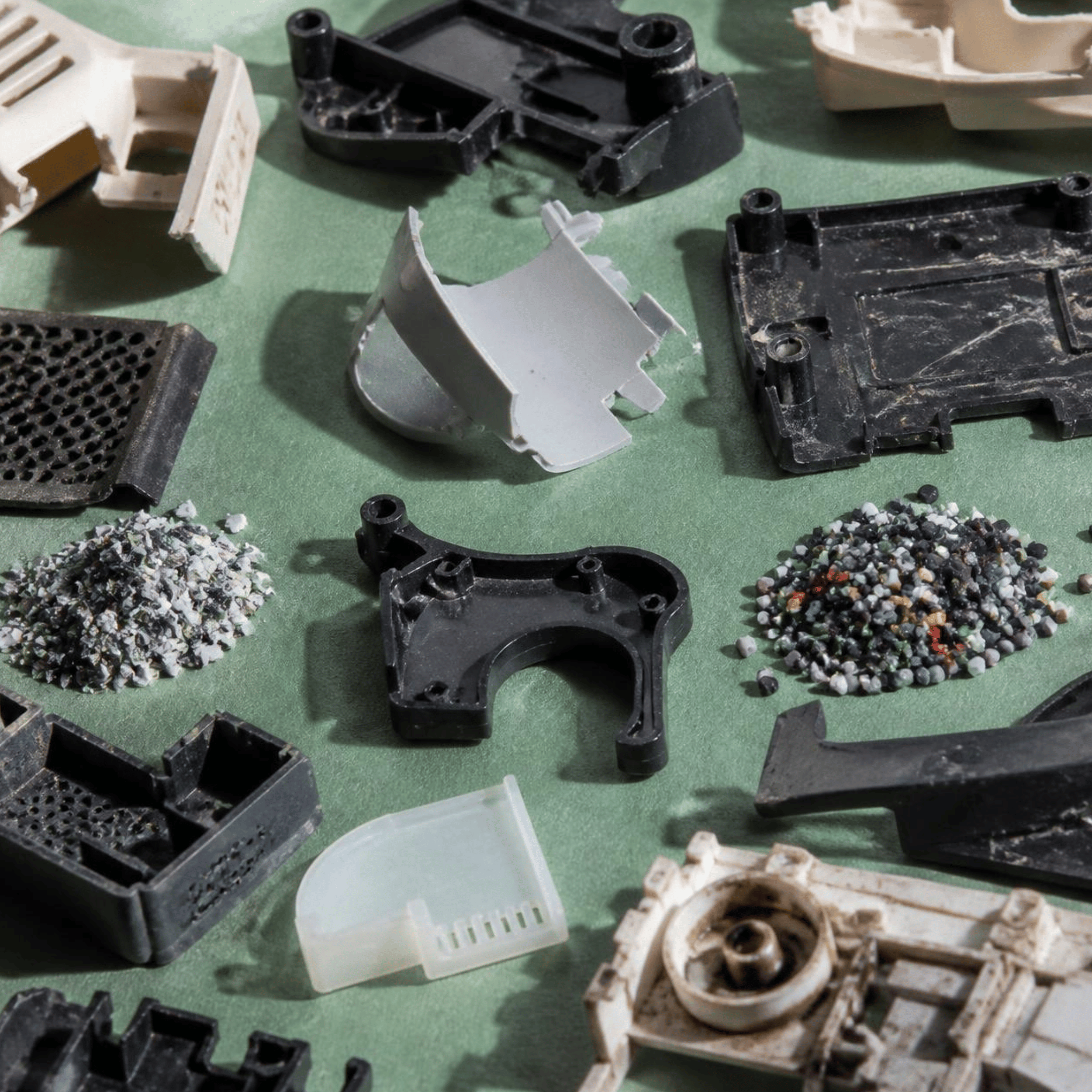
Europe's circular economy depends on keeping valuable materials in use for longer. For WEEE recyclers, that means recovering more plastics from discarded electrical and electronic equipment and returning them to the market as secondary raw materials.
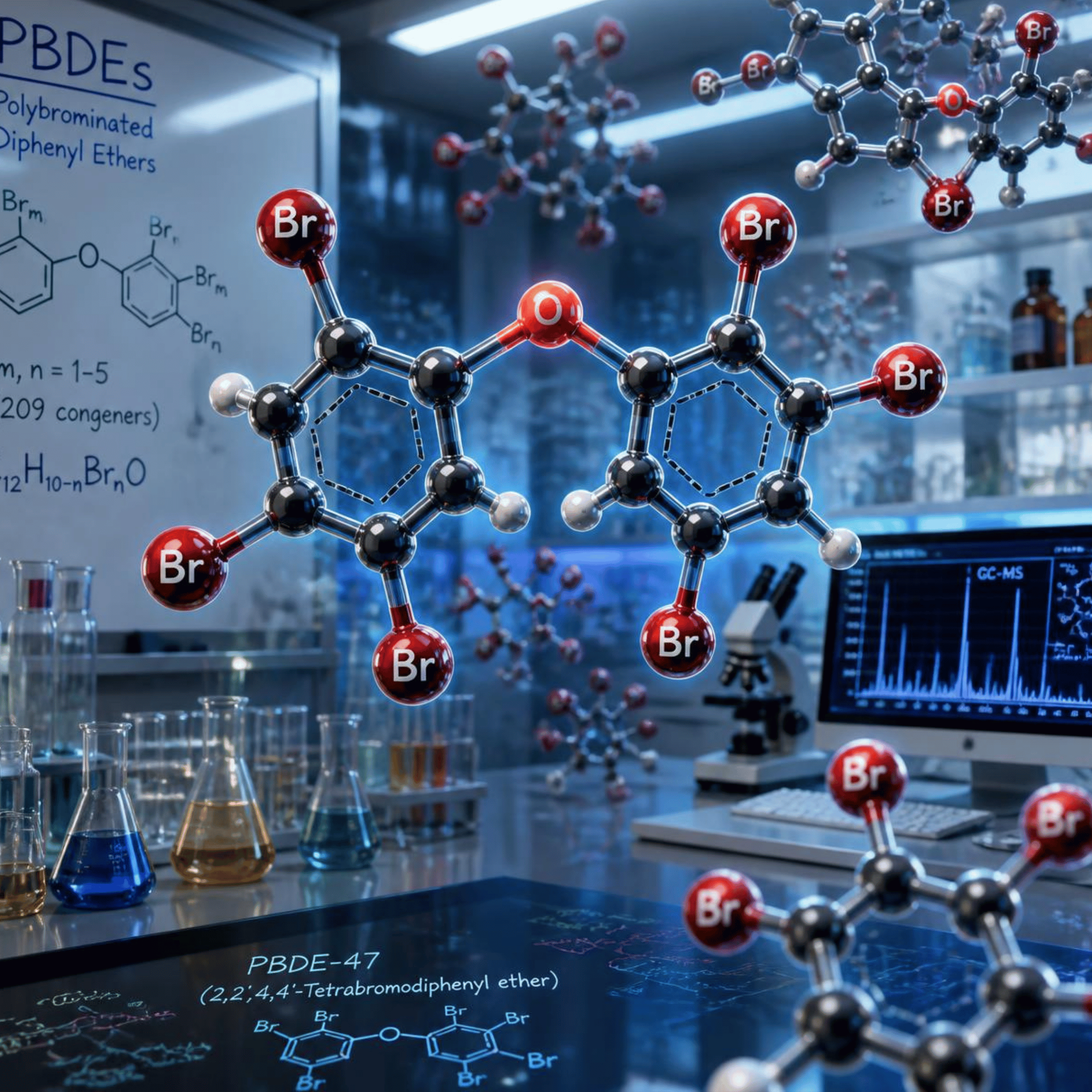
However, WEEE plastics can contain brominated flame retardants (BFRs), including substances restricted under EU legislation. The challenge is twofold: remove restricted substances from the material cycle while keeping recyclable plastics in circulation.
In our 2022 Position on Plastics, we set out why Europe needs a regulatory framework that protects the environment while keeping WEEE plastics recycling technically possible and supporting continued investment in recovery technologies.
Why recycling more WEEE plastics matters
Recovering plastics from WEEE creates secondary raw materials that can replace virgin materials in new products. We see this as an important part of building a stronger European market for secondary raw materials, reducing dependence on primary resources and improving security of supply.
There are also significant environmental benefits. In our position paper, we reported that producing plastics from secondary materials uses around 90% less energy, representing estimated savings of four tonnes of CO₂ for every tonne of plastic produced.
The bigger challenge: plastics outside the recycling chain
One of the main issues we highlighted was the large quantity of WEEE plastics that never reaches proper recycling channels.
The material-flow analysis included in our paper, based on the SOFIES study, estimated that 55% of plastics contained in WEEE generated, around 1.43 million tonnes, escaped proper collection and recycling channels. At the time, approximately 300,000 tonnes of EU plastics recycling capacity provided state-of-the-art treatment.
Simply lowering bromine thresholds does not address these material flows. More WEEE needs to enter controlled collection and recycling systems where restricted substances can be separated and recyclable plastics recovered.y.
POP thresholds and technical feasibility
Compliant WEEE recyclers already separate plastics containing restricted BFRs.
In our 2022 paper, we reported that 98% of plastics collected through official WEEE recycling channels containing BFRs above the 1,000-ppm RoHS limit could be separated and appropriately disposed of. We considered screening at 500 ppm technically achievable, provided recyclers had sufficient time, regulatory certainty and support for continued investment.
We also warned that thresholds below 500 ppm could have unintended consequences, including:
Difficulty accurately measuring bromine concentrations at industrial scale
More potentially recyclable plastics being directed to incineration or landfill
Reduced availability of compliant secondary plastics for manufacturers
Greater pressure on already significant undocumented material flows
What we called for
Our position was clear: controlling restricted substances and increasing high-quality WEEE plastics recycling need to go hand in hand.
We called for:
Fewer barriers to moving secondary raw materials to quality pre-consented treatment facilities within the EU
The same 500 ppm threshold for Low POP Content (LPC) and Unintentional Trace Contaminants (UTC) if thresholds were reduced
Sufficient transition time for recyclers to adapt their plastics management processes
Harmonised requirements that provide the certainty needed for investment and innovation
A 500-ppm limit that remained stable for at least seven years, with future changes based on detailed risk assessments.
Our central message was that Europe should control restricted substances without unnecessarily removing recyclable plastics from the circular economy.
About the position paper
We published our Position on Plastics in May 2022, during discussions on POP thresholds affecting WEEE plastics. The paper reflects the regulatory and technical context at that time.
Read the original paper for the complete data, material-flow analysis and recommendations.
Related Publications: