

Publications
Explore EERA's full library of publications on WEEE management and the European electronics recycling industry — from position papers and press releases to independent studies and event materials. Use the search bar and filters below to find statements on regulation, research on recycling and recovery, and the latest news shaping a circular economy for electronics across Europe.
Search by title or keyword:
Publication Topic
- Batteries
- Circular Economy
- Critical Raw Materials
- Fire Prevention
- Intra-EU Waste Shipments
- Plastic Waste
- Plastics
- Pre-Consented Facilities
- Producer Responsibility
- Secondary Raw Materials
- Standards
- WEEE Collection and Treatment
- Waste Shipment Digitalisation
- Waste Shipments
- Waste Shipments; Prior Informed Consent (PIC); Pre-Consented Facilities; Transboundary Waste Shipments; Waste Shipment Digitalisation;
Browse by:

EERA Position Paper on PBDEs and the POP Regulation
Europe's ambition to remove persistent organic pollutants from material cycles must be matched by rules that are scientifically measurable, commercially achievable and consistent with circular economy objectives. In this January 2024 position paper, EERA warned that proposed reductions in the unintentional trace contaminant (UTC) limits for PBDEs could significantly restrict the European market for recycled WEEE plastics if introduced before reliable testing methods are available. EERA called for a harmonised scientific testing approach across Member States and a stable regulatory framework that gives specialist recyclers the certainty needed to invest in treatment capacity. EERA recommended maintaining a 500 mg/kg limit for PBDE-containing recyclate, mixtures and articles after adoption, with any reduction to 200 mg/kg taking effect no earlier than 1 January 2030.
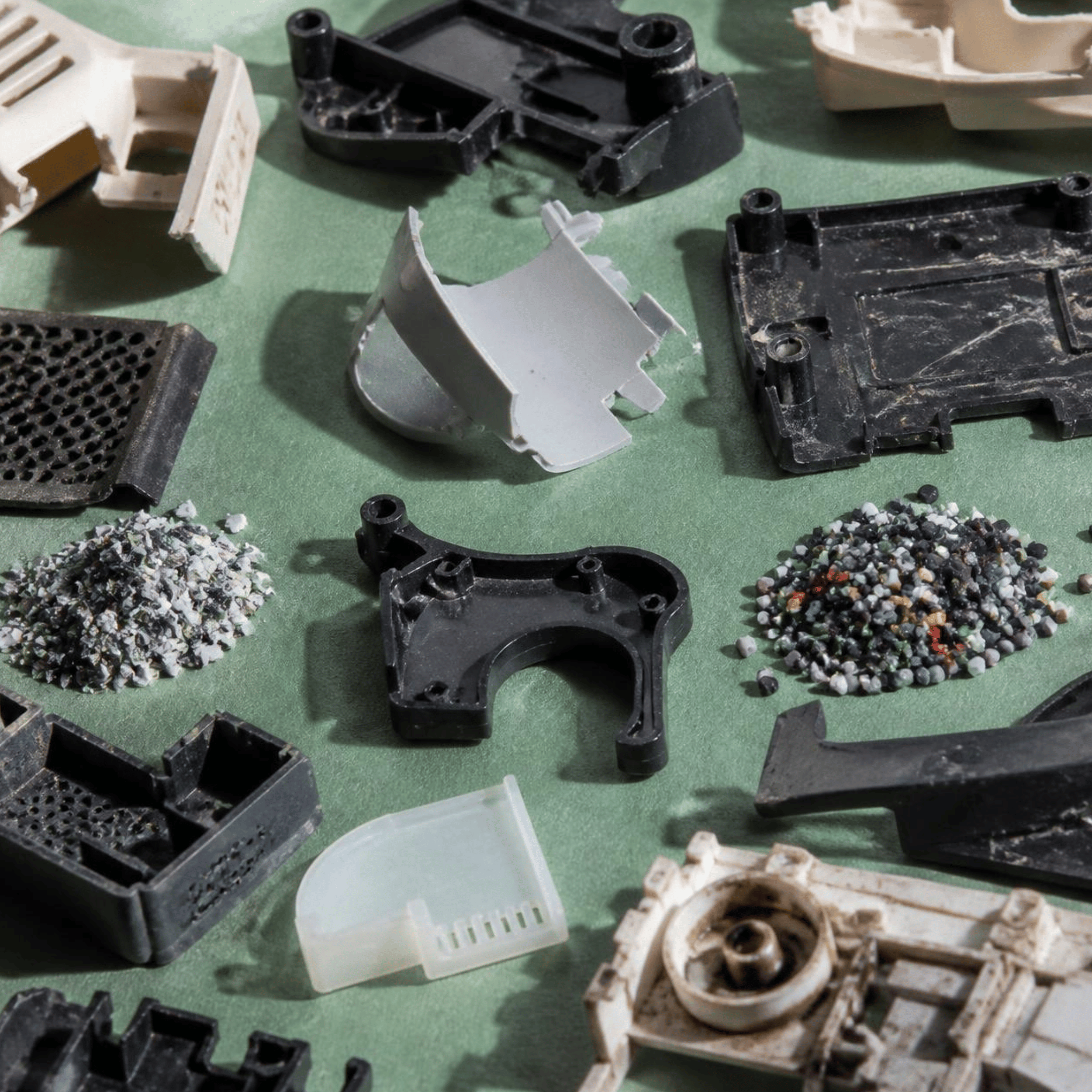
Setting Workable Limits for PBDEs in Recycled WEEE Plastics
Reducing persistent organic pollutants in recycled materials is essential, but regulatory limits must also be measurable and technically achievable. In its 2022 statement on PBDEs in WEEE plastics, EERA warned that lowering the UTC limit below the capability of available screening technology could unintentionally restrict plastics recycling. We called for a stable 500 mg/kg limit for the sum of PBDEs for at least three years, giving industry time to develop and validate more robust testing methods, with any subsequent reduction based on a risk assessment and demonstrated analytical capability.
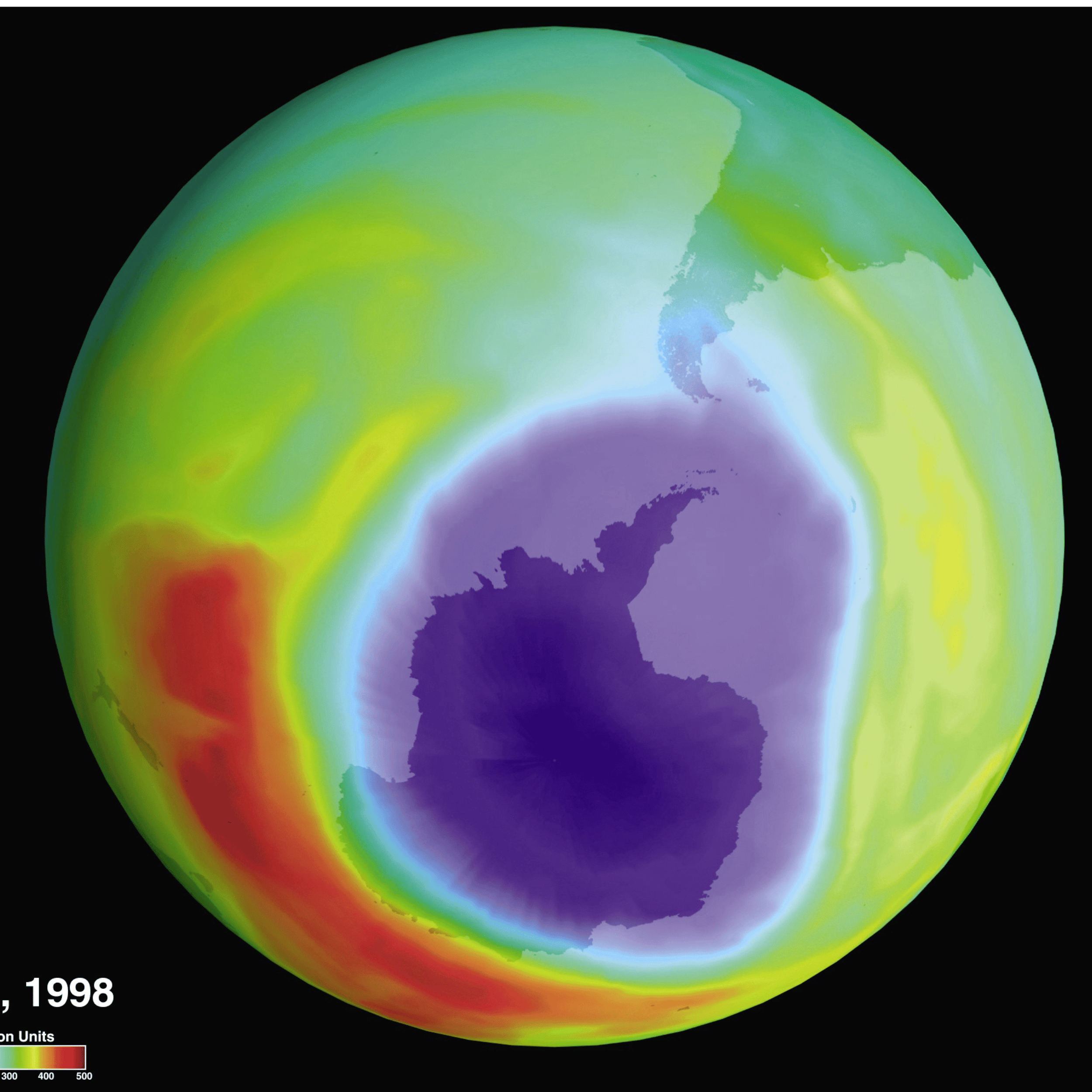
Controlling Ozone-Depleting Substances at End-of-Life
Treating waste containing ozone-depleting substances requires specialist capacity, effective enforcement and clear responsibility for treatment costs. In this 2022 position statement, we set out the conditions needed to expand compliant treatment, prevent ODS emissions and support investment in appropriate recycling infrastructure
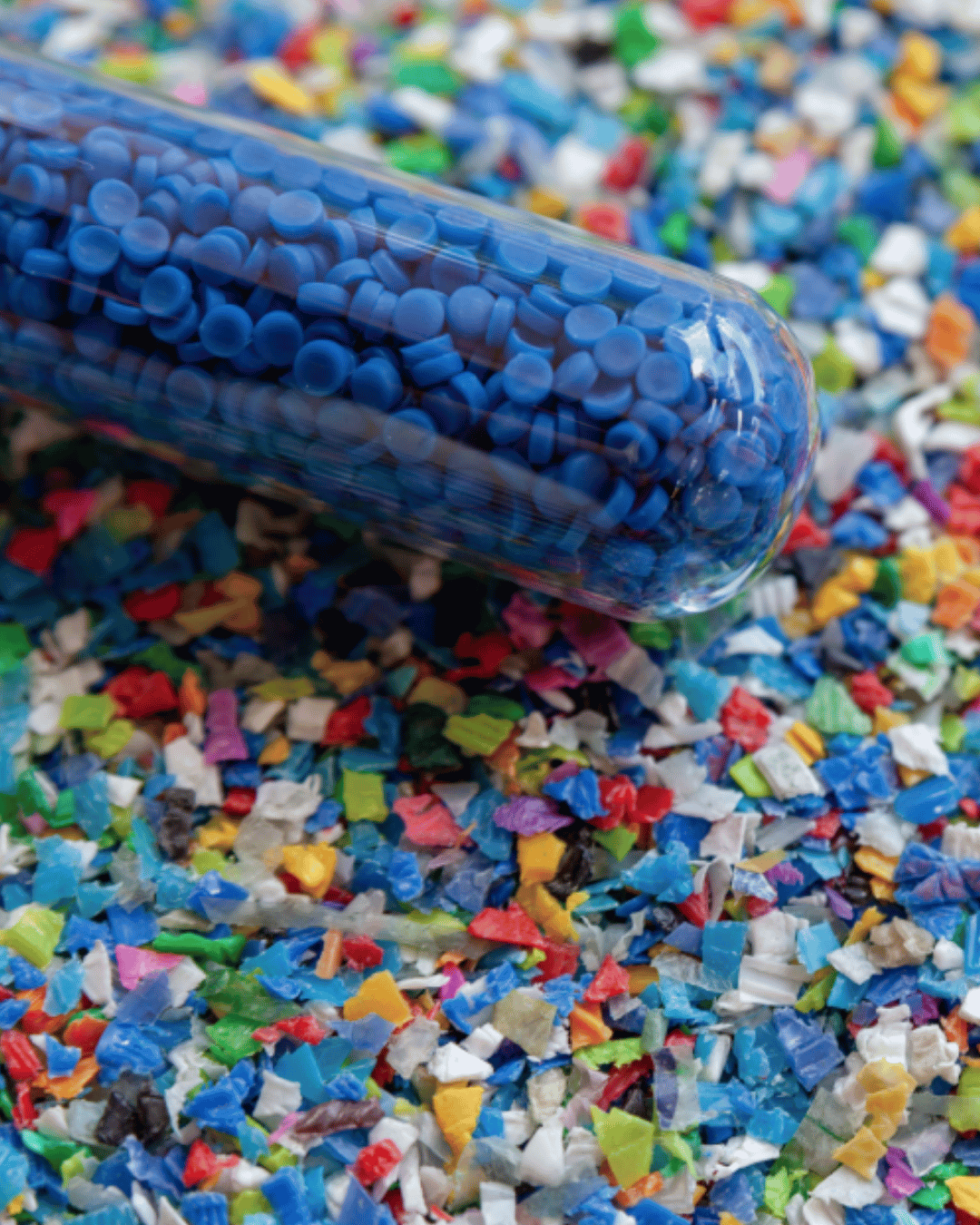
Recycling More WEEE Plastics While Controlling POP BFRs
We want more plastics from WEEE to be recovered and returned to the market as secondary raw materials. This position paper sets out our recommendations on POP BFR thresholds, technical feasibility, investment and the need to bring more WEEE plastics into proper collection and recycling channels.
Towards an EU WEEE Regulation: Creating a Level Playing Field for WEEE Recycling
Different interpretations of the WEEE Directive created unequal operating conditions for recyclers across Europe. In this 2022 position paper, we called for an EU WEEE Regulation with more harmonised requirements for product design, collection, treatment, waste shipments and recycling targets.

Study on Quality Standards for the Treatment of WEEE
EERA's position on establishing mandatory European standards for WEEE collection, logistics, preparation for reuse and treatment to support consistent quality and a level playing field across the EU.
Join EERA in transforming WEEE management and supporting Europe’s sustainable future.