Green-Listing Waste Shipments Initiative
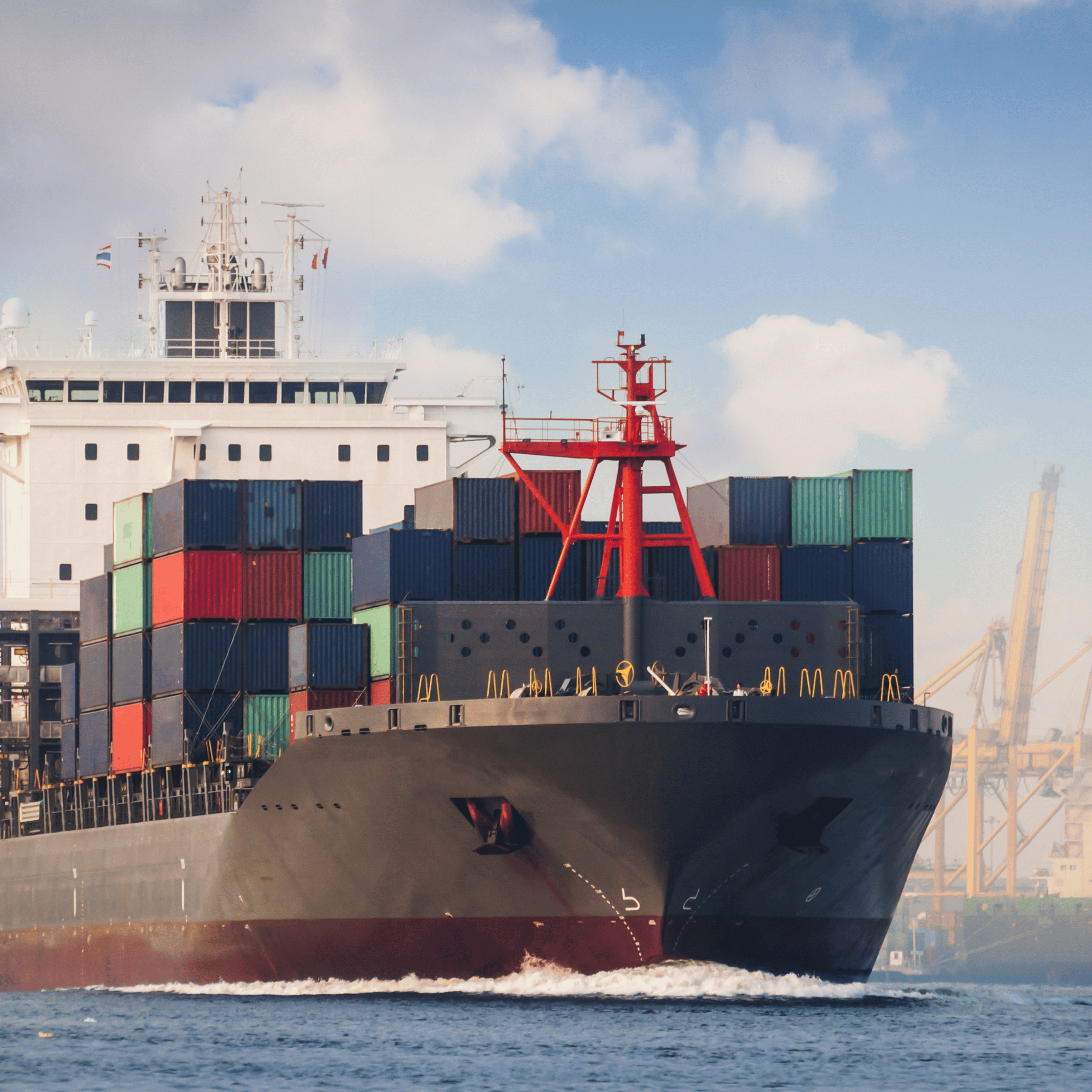
Europe’s recycling value chains increasingly depend on materials moving between specialised facilities across Member States. For many waste streams, including WEEE, recycling involves several successive stages of treatment and recovery before valuable materials can return to the European economy.

In this joint statement, EERA and seven other European industry associations welcome the European Commission’s draft Delegated Regulation to facilitate intra-EU shipments of certain non-hazardous waste destined for recycling. The proposal would allow eligible waste streams to move under the general information requirements of Article 18 rather than the prior written notification and consent procedure.

The initiative could reduce administrative burdens, improve access to specialised recycling capacity and support a stronger European market for secondary raw materials. The signatories nevertheless identify several areas where greater legal clarity will be important to ensure consistent implementation across Member States
Green-listing can strengthen Europe's recycling market
Waste does not necessarily become a secondary raw material in a single treatment operation. Collection, sorting, dismantling, processing, smelting and refining can take place at different facilities and in different Member States.
This is particularly relevant for WEEE, where components and fractions generated through proper treatment may require further specialised processing elsewhere in Europe. Enabling suitable non-hazardous waste to move efficiently between authorised operators can therefore improve access to recycling capacity and increase the recovery of valuable materials.
The Commission's proposal recognises this reality by introducing new entries covering certain non-hazardous waste streams, including electrical and electronic waste, permanent magnets, metals from end-of-life vehicles and certain metals from construction and demolition activities.
Legal clarity will determine whether the system works
The benefits of green-listing will depend on operators and competent authorities interpreting the new classifications consistently. Uncertainty over which entry applies to a particular waste stream could lead to divergent national interpretations, unnecessary delays or shipments being rejected at borders. The joint statement therefore calls for targeted clarification in three areas.
Three areas require clarification
BEU07: broaden the scope for recyclable metals. The signatories recommend explicitly including additional non-hazardous metal waste from construction and demolition activities, including copper pipes and cables, rather than limiting the entry primarily to aluminium and steel.
BEU09: provide practical examples. A non-exhaustive and non-prescriptive list of illustrative waste streams and fractions would help operators and authorities determine which materials fall under BEU09, while preserving sufficient flexibility as recycling processes evolve.
EU49: clarify its relationship with BEU09. Further guidance is needed on which non-hazardous e-waste falls within EU49 and how operators should distinguish it from BEU09. Clearer classification would support more consistent implementation across Member States.
From waste shipments to a European secondary raw materials market
The wider policy question goes beyond individual waste codes. Europe’s circular economy requires a functioning internal market in which recyclable materials can reach the facilities capable of recovering them efficiently and to high standards.
The Green-Listing Initiative is an important step towards that objective. A more predictable framework for intra-EU shipments can support recycling at scale, improve access to specialised capacity and strengthen European value chains for secondary raw materials, including critical and strategic raw materials.
The signatories also underline that further progress will be needed through the forthcoming Circular Economy Act to facilitate intra-EU waste shipments and reinforce the internal market for secondary raw materials
About the joint statement
The Joint Statement was submitted on 15 September 2026 by EERA together with ICA Europe, European Metals, the European Precious Metals Federation, EUROFER, the International Platinum Group Metals Association, FEAD and Recycling Europe. The signatories represent different stages of Europe's recycling and secondary raw materials value chain.
Related Publications: