Controlling Ozone-Depleting Substances at End-of-Life
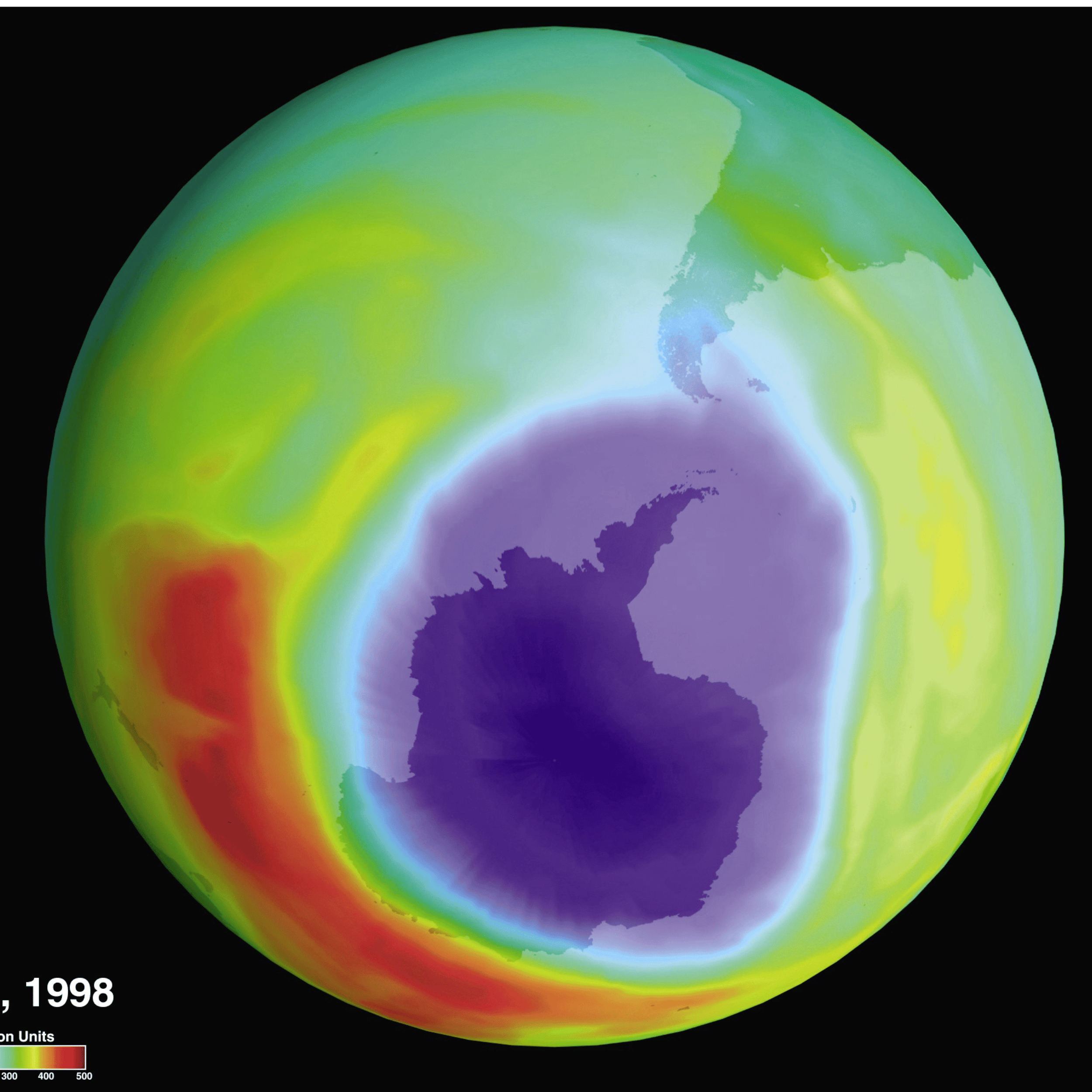
Ozone-depleting substances (ODS) can remain in products and equipment long after they have been placed on the market. When those products reach end-of-life, appropriate collection and treatment are essential to prevent the gases from being released into the atmosphere.
In June 2022, we responded to the European Commission's proposal for a new Regulation on substances that deplete the ozone layer. Drawing on our members' experience of treating temperature exchange equipment, we supported the Commission's proposed Option Two, while highlighting the investment, capacity and enforcement measures needed to make it work effectively.
Why specialist treatment of ODS-containing waste matters
At the time, EERA members had annual treatment capacity of approximately 400,000 tonnes of household refrigerators and more than 130,000 tonnes of commercial equipment, representing around half of officially collected and treated waste temperature exchange equipment in Europe.
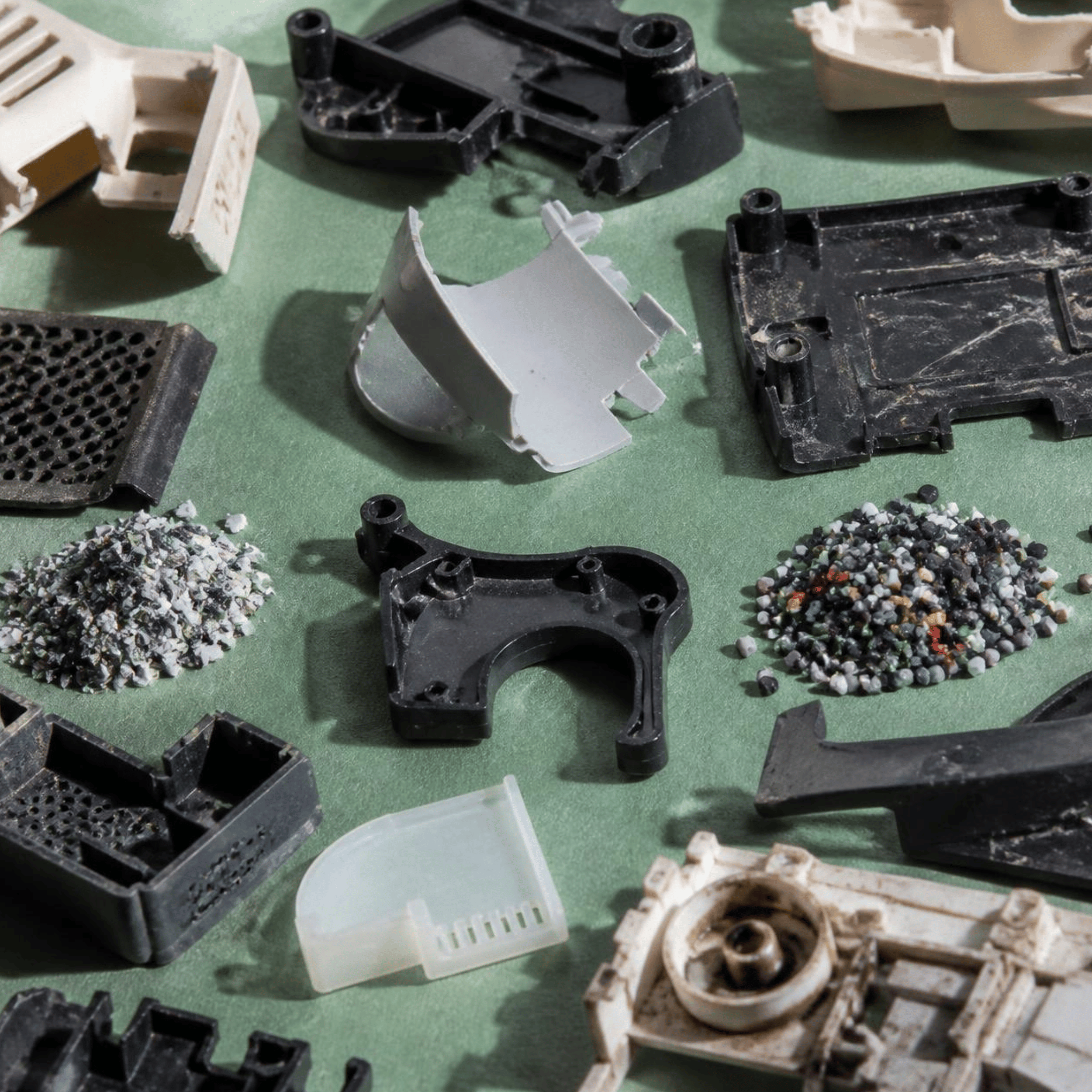
However, we estimated that fewer than 20% of specialist temperature exchange treatment plants could accept and treat other foam-containing equipment, such as wall insulation panels, cold-room panels and heating or cooling systems.
Much of this material was instead going to general shredders or landfill, without recovery and destruction of the gases contained in the foam.
Expanding treatment capacity will require investment
We supported extending controls to products and equipment containing ODS, but cautioned that additional waste streams could not simply be absorbed into existing treatment systems.
Recyclers could need to:
Amend environmental permits to accept new waste streams
Invest in equipment to reduce large insulation panels to suitable sizes
Provide additional storage, personnel and health and safety measures
Manage greater quantities and different types of waste foam
Develop appropriate outlets for additional recovered material
We also identified the need for further research into whether existing treatment plants could effectively remove gases from certain PIR and phenolic insulation foams.
Effective ODS rules need effective enforcement
Increasing treatment capacity alone would not deliver the intended environmental benefits. We called for robust enforcement to prevent undocumented and illegal waste routes and ensure that ODS-containing material reaches permitted treatment facilities.
Applying the polluter pays principle
We stressed that those responsible for relevant waste should meet the costs associated with treatment, gas destruction and foam disposal. The position paper identified producers, commercial end-users, demolition companies and facility management companies among the actors that could carry this responsibility.
We also called for a transition period of several years, giving the recycling industry sufficient time to develop capacity, undertake research and prepare for the new requirements.
Closing loopholes in ODS treatment and exports
We supported applying the Regulation to products, equipment and parts containing or relying on ozone-depleting substances. We also called for clarity that the scope should capture other relevant products, including building insulation, non-electric hot water boilers, cool boxes and refrigerated transport equipment.
For exports, we recommended limiting the movement of equipment containing HCFCs for continued use to countries where appropriate end-of-life treatment capacity could be demonstrated.
We also called for foam-containing panels and other relevant products to be directed to permitted treatment facilities, rather than general metal or waste shredders.
Creating the conditions for compliant ODS treatment
Our position was that harmonised rules, effective enforcement and clear responsibility for treatment costs could give recyclers the certainty needed to invest in new capacity, research and treatment technologies.
With the right framework, specialist recyclers could expand compliant treatment routes and contribute to reducing emissions from ODS-containing waste. But obligations and costs needed to be applied consistently across the EU for that investment to take place.
About the position statement
EERA published our Position Statement on the proposed Ozone-Depleting Substances Regulation in June 2022. It reflects the Commission proposal and regulatory context at that time.
Read the original statement for our detailed observations and recommendations.
Related Publications: